ABOUT

Technology Student Association

About the Organization

The Technology Student Association (TSA) is a national, non-profit career and technical student organization (CTSO) dedicated to middle and high school students engaged in science, technology, engineering, and mathematics (STEM). Since its chartering in 1978, TSA has impacted the lives of over 5,000,000 students through competitions, leadership opportunities, community service, and other engaging programs that inspire personal and professional growth.

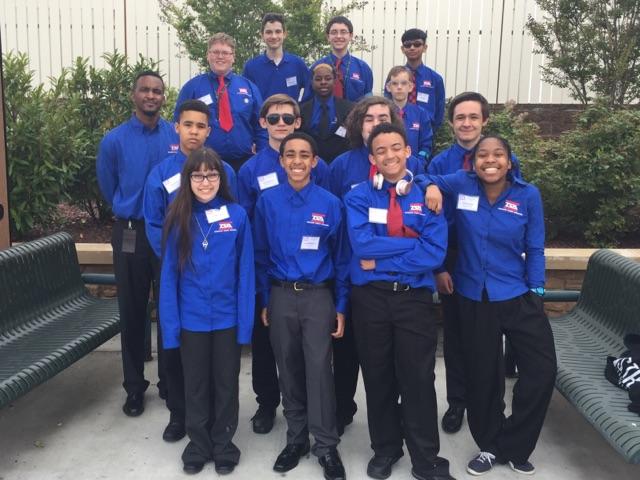
With a mission to enhance personal development, leadership, and career opportunities in STEM, TSA provides students with the tools to apply and integrate STEM concepts through its wide array of programs. TSA currently includes more than 400,000 student members across over 2,500 schools in 48 states. Open to young people enrolled in—or who have completed—Technology and Engineering education courses, TSA is supported by more than 3,500 educators (chapter advisors), as well as parents, business leaders, and universities that share the vision of fostering a technologically literate society.

Members benefit from exciting competitive events, leadership development, and real-world opportunities that cater to a variety of interests, making TSA an enriching experience for students from diverse backgrounds. Alumni, ranging from engineers to business managers, often credit TSA with positively shaping their lives and careers.
TSA is a non-partisan, non-sectarian 501(c)(3) organization that embraces inclusivity and equity. It does not discriminate based on race, color, age, religion, creed, ethnicity, gender, gender identity/expression, or disability, ensuring every student has access to its transformative programs and opportunities.

Programs &Initiatives

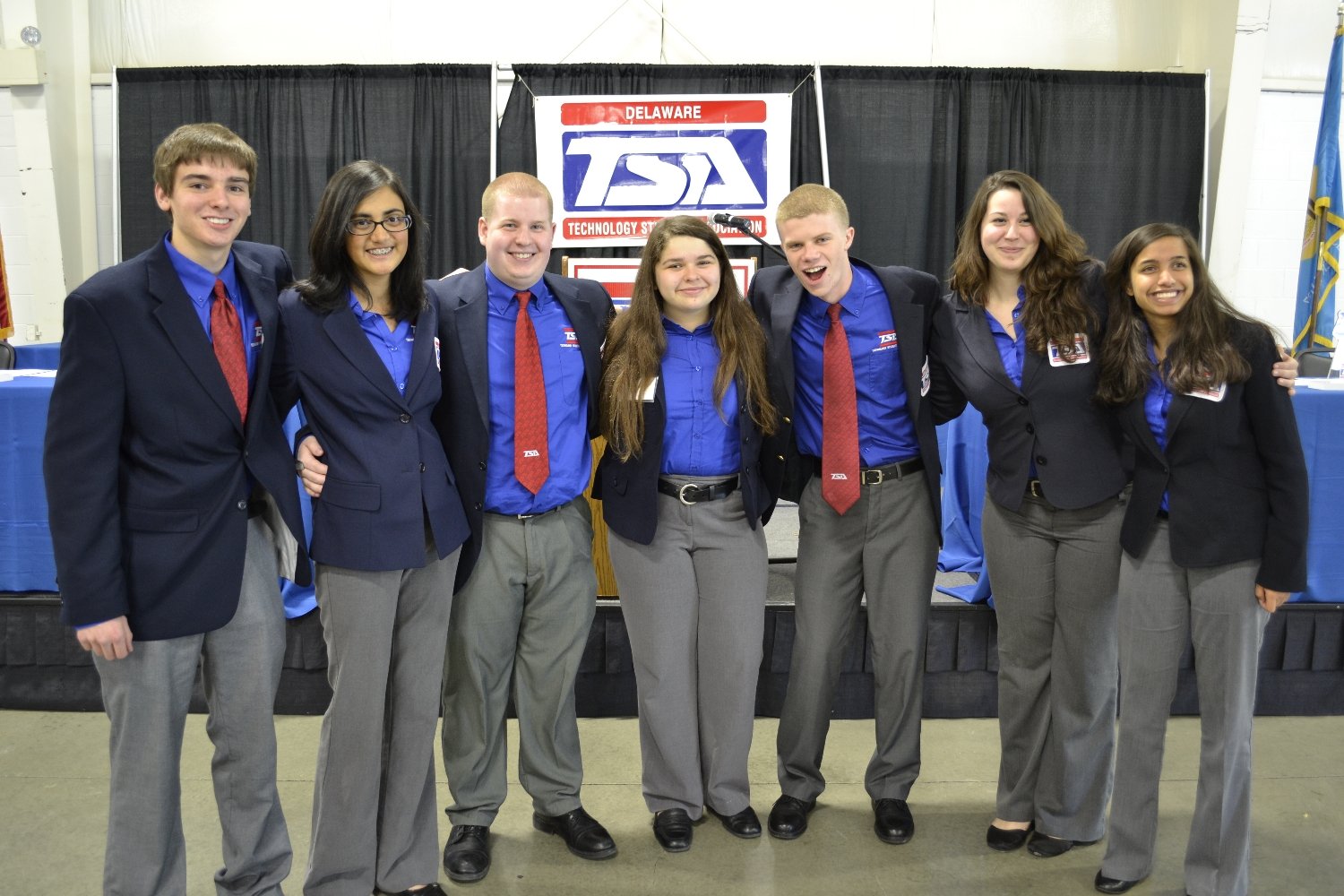
The Delaware Technology Student Association (DETSA) empowers students through impactful initiatives that emphasize service, leadership, and the development of technical, academic, and professional skills, with a strong focus on competitions that prepare students for future success. Through these initiatives, DETSA equips students with the skills, leadership abilities, and mindset needed to excel in STEM and beyond, while inspiring them to make meaningful contributions to their communities.
Community Service Projects

DETSA chapters actively engage in initiatives that address local needs and create meaningful impacts. The Fall Leadership Conference (FLC) often includes service activities, such as organizing drives for homeless shelters or partnering with community organizations. These projects foster civic engagement while developing teamwork and organizational skills.

State Leadership Conference (SLC)

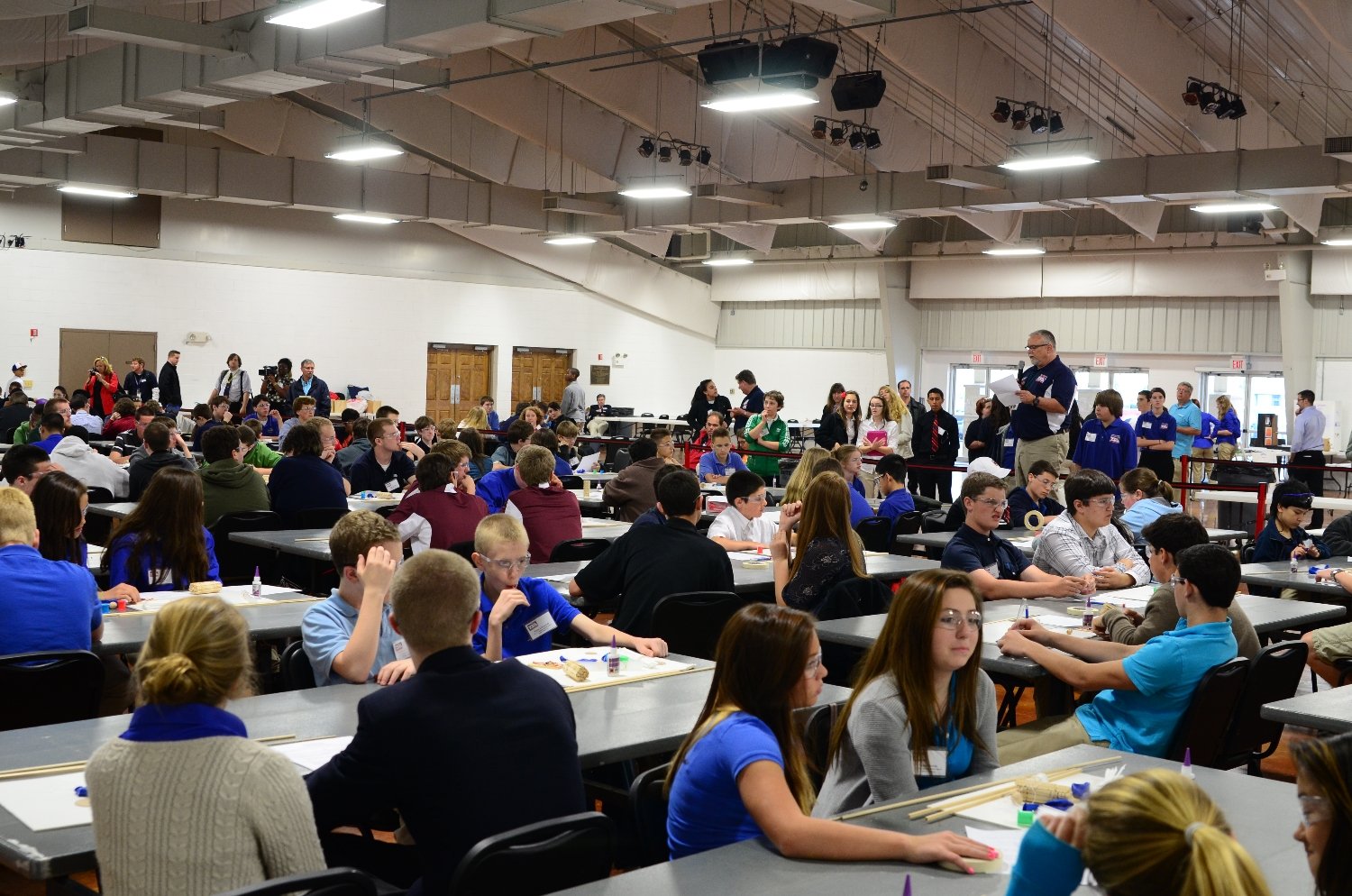
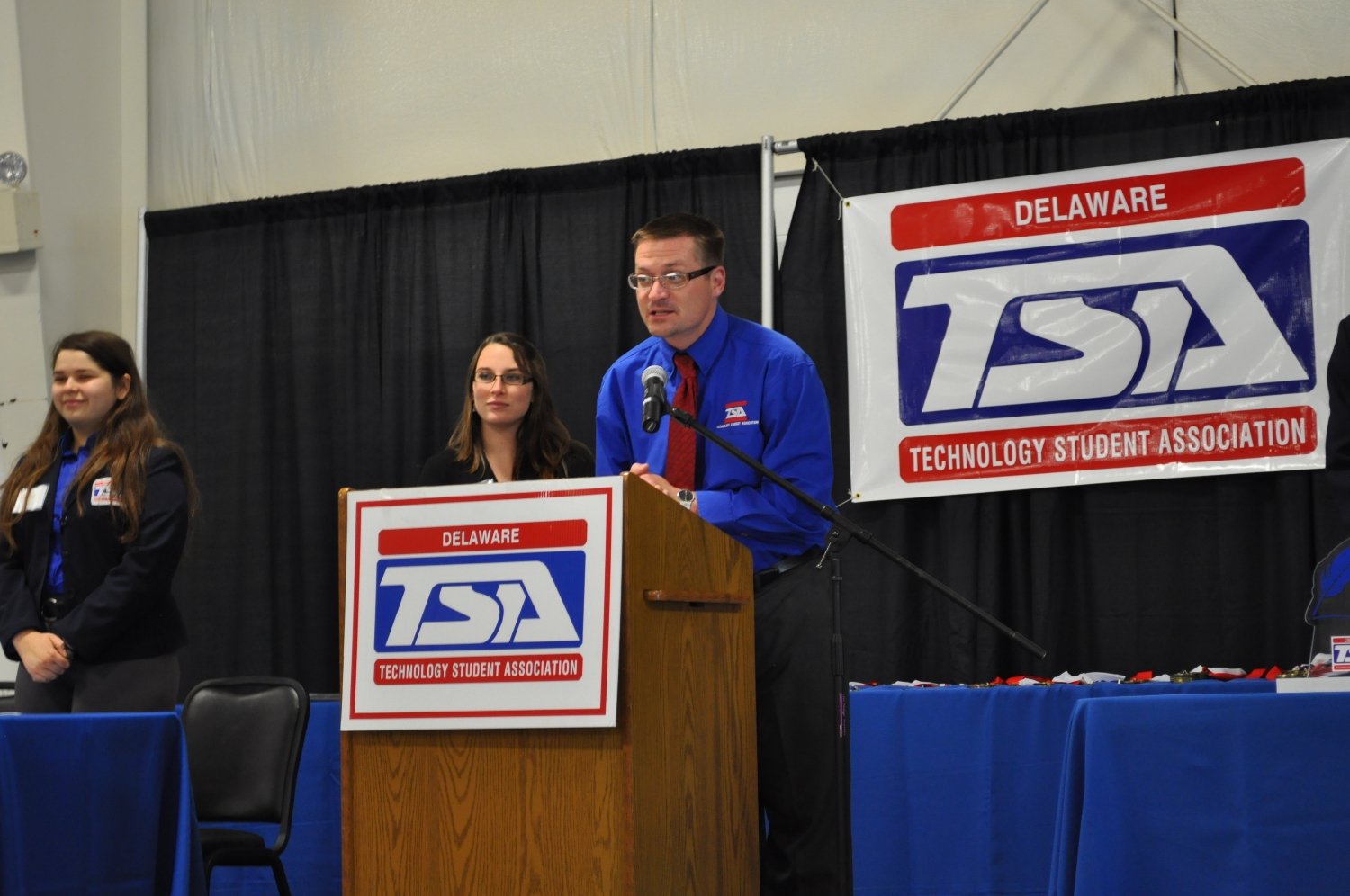
The SLC is DETSA’s premier event, offering students leadership workshops, service opportunities, and connections with peers and industry professionals. A key highlight is its competitive events, where students demonstrate technical expertise, creativity, and collaboration while tackling real-world challenges.

Chapter-Led Initiatives

DETSA encourages chapters to implement their own local service projects, empowering students to address community needs while fostering leadership, teamwork, and a sense of responsibility.

Competitions for Technical and Professional Skill Development

DETSA’s wide range of competitive events challenges students to apply technical knowledge, problem-solving, and creativity in areas such as engineering, robotics, programming, and leadership. These contests also develop professional skills like time management, communication, and teamwork. Participation at state and national levels provides valuable experiences and prepares students for academic and career success.

photo gallery

related PATHWAY programs

Plant Science

The Plant Science pathway is designed to provide students with knowledge of plant growth and reproduction, as well as the use of plants for food, fiber, and ornamental purposes.

The program prepares students for a variety of careers in: agronomy, ornamental horticulture, biotechnology, forestry, soil science, and turf management.

Architectural Engineering Technology

The Architectural Engineering Technology (AET) pathway engages students in the world of construction and architecture through coursework focusing on site selection, drafting, architectural, and engineering planning, budgeting, cost estimating, production, permits, contracting, work timetables, and project management. Students utilize strategies to solve open-ended problems while they learn how to apply technical skills, knowledge, documentation techniques, and processes using modern, industry-leading technology and software.

Cisco Networking Academy

The Cisco Networking Academy program of study is a six (6) course CTE program that blends the content and experiences of computer networking and computer science to help students develop a well-rounded and adaptable skill base. The program prepares students for continuing education and careers in computer networking and computer science, as well as those that may require skills in both fields.

Computer Science

The Computer Science program of study engages students in open-ended problem solving where students study computational practices such as algorithm development, problem solving and programming within the context of problems relevant to their everyday lives. Computer Science programs of study are available at both the middle and high school levels. The high school program includes the completion of two Advanced Placement courses and is described in the graphic below.

Manufacturing Logistics Technician

The Manufacturing Logistics Technician pathway is a two (2) year; four (4) semester CTE program that engages students in open-ended problem solving where they learn and apply manufacturing processes and use modern, industry-leading technology and software. The program prepares students for further education and careers in manufacturing production. The CTE program consists of four courses that are completed on the campus of the Delaware Technical Community College.

Biomedical Science

The Project Lead the Way (PLTW) Biomedical Science pathway engages students in open-ended problem solving where students study the concepts of human medicine, physiology, genetics, microbiology, and public health.

The program prepares students for further education and careers in biomedical sciences and healthcare.

Engineering

The Project Lead the Way (PLTW) Engineering pathway is a three (3) and six (6) course CTE program that engages students in open-ended problem solving where students learn and apply the engineering design process and use modern, industry-leading technology and software.

The program prepares students for further education and careers in engineering and engineering technology.

ParticipatingHigh Schools

MOT Charter School

Middletown, DE

Sussex Academy

Georgetown, DE